
Defend, Educate, Inform

Behind every landmark judgment is a child fighting for the right to education. A woman demanding equality. A community seeking justice after environmental harm. A journalist defending freedom of expression. A worker striving for dignity. A human rights defender refusing to be silenced.
These are the stories that often remain unseen.
For nearly thirty years, the Institute for Human Rights and Development in Africa (IHRDA) has worked to advance justice across the continent through strategic litigation, advocacy, research and capacity building. Our work has contributed to landmark decisions before African and international human rights bodies, strengthened accountability and supported individuals and communities in their pursuit of justice.
Yet throughout this work, we have recognised an important gap.
While legal judgments, reports and publications explain the issues and document the law, they do not always capture the human stories behind them. The voices, faces and everyday realities of the people whose lives are shaped by these issues are too often missing from the conversation.
Behind Every Case, A Human Story was created to help bridge that gap.
Through this photography competition, IHRDA invites photographers from across Africa to document the people behind the issues—to capture stories of dignity, resilience, courage and hope that reveal how human rights are experienced in everyday life.
Whether you are a professional photographer, photojournalist or passionate amateur, we invite you to help build a visual archive of African human rights stories that will strengthen advocacy, enrich publications and ensure that the people at the heart of this work remain visible.
We are not looking for photographs of conferences, courtrooms or official meetings.
We are looking for people. Landscapes. Streets. Objects. And abstract images that tell a story.
We are looking for photographs that reveal both the promise and the denial of human rights. We welcome images that document courage and resilience, but also those that expose injustice, inequality, exploitation, environmental harm and the lived consequences of human rights violations.
We recognise that many of the most powerful human rights photographs document difficult realities. We therefore encourage entries that honestly portray injustice, suffering and discrimination, provided they do so ethically and with respect for the dignity, privacy and safety of those depicted. We are looking for images that inform, challenge and inspire—not images that sensationalise pain or exploit vulnerability.
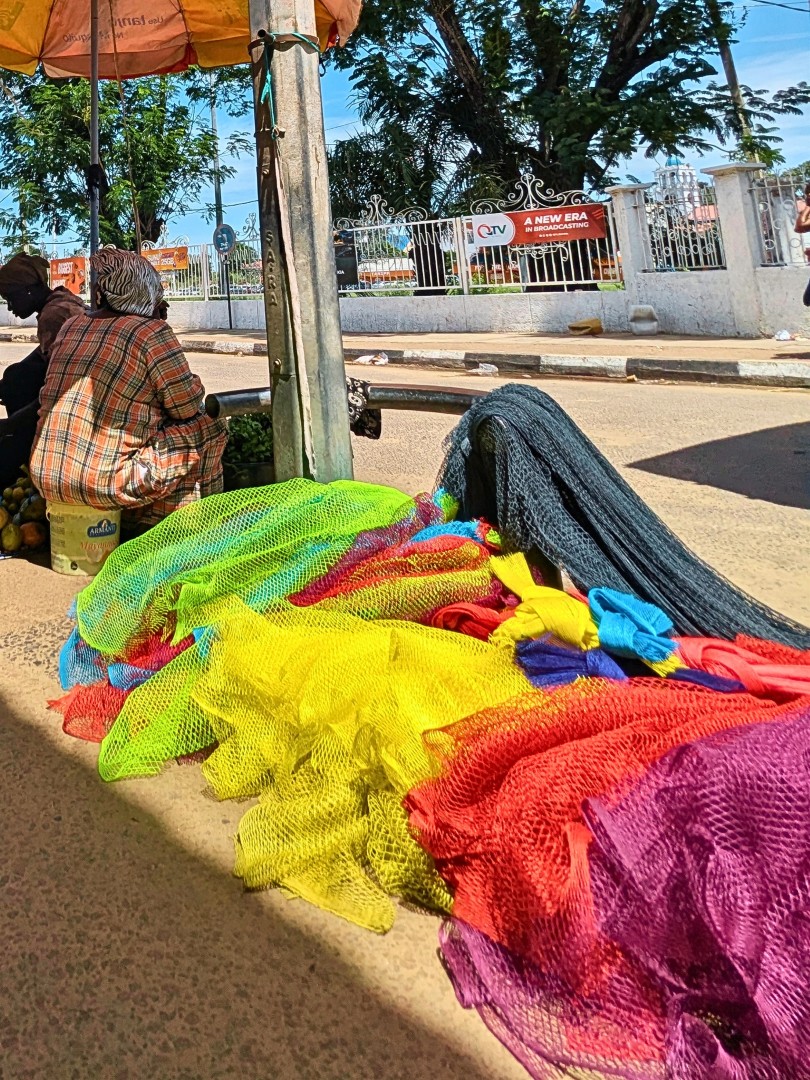
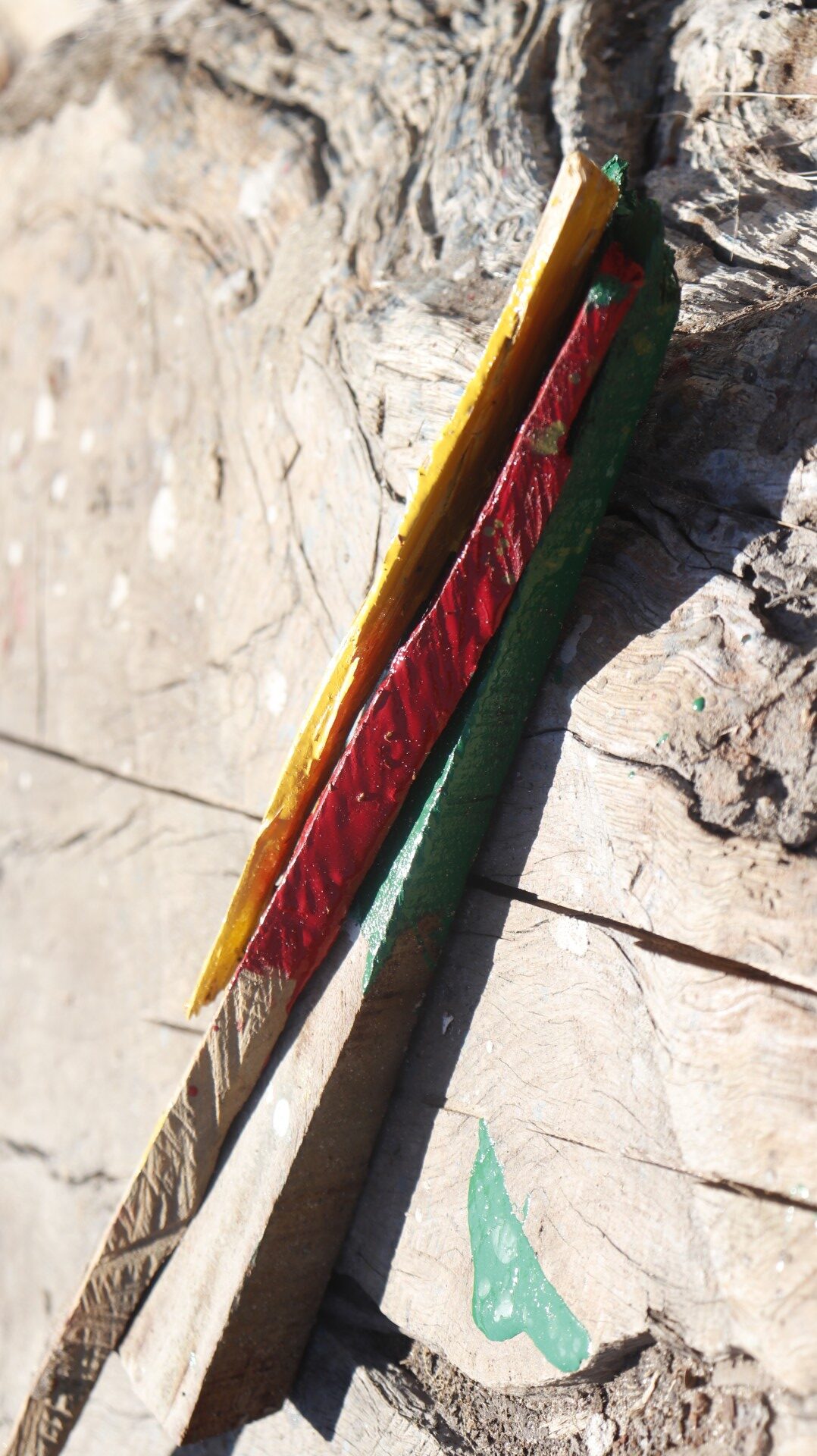
Show us:
Your photograph should tell a story.
When someone looks at your image, they should understand not only what happened, but why it matters.
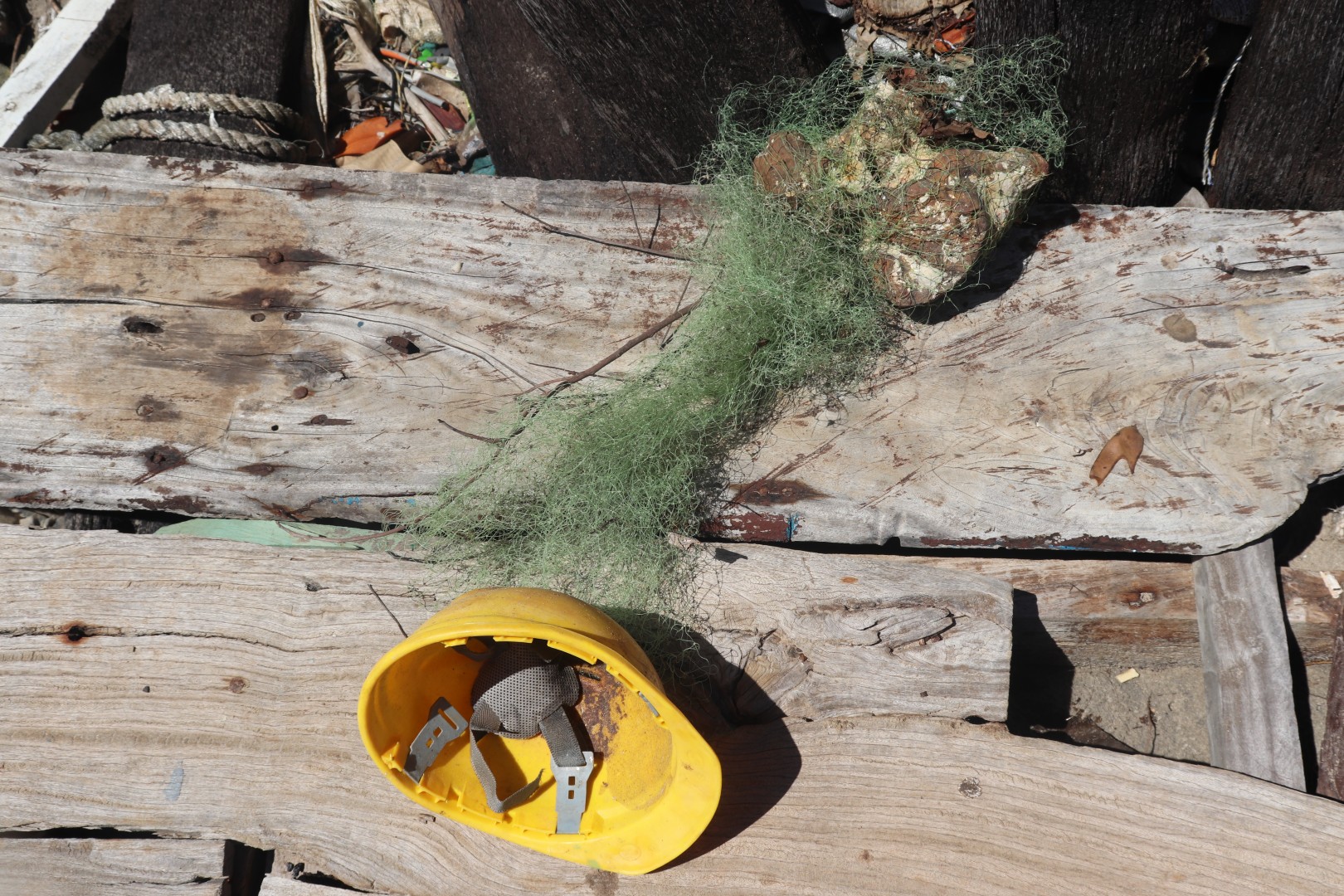
Your photograph should relate to one or more of IHRDA's areas of work.
Business and Human Rights
How do businesses affect people's lives?
Show us the workers, families and communities whose lives are shaped by business activity.
This might include:
Climate Justice
Climate change is not only an environmental issue.
It is a human rights issue.
Show us:
Women's Rights
Tell the stories of women and girls leading change, overcoming barriers or demanding equality.
Capture moments of strength, leadership, resilience and empowerment. Moments of solidarity, courage and hope. Also show us women and girls challenging discrimination, survivors rebuilding their lives, and every ay barriers to equality.
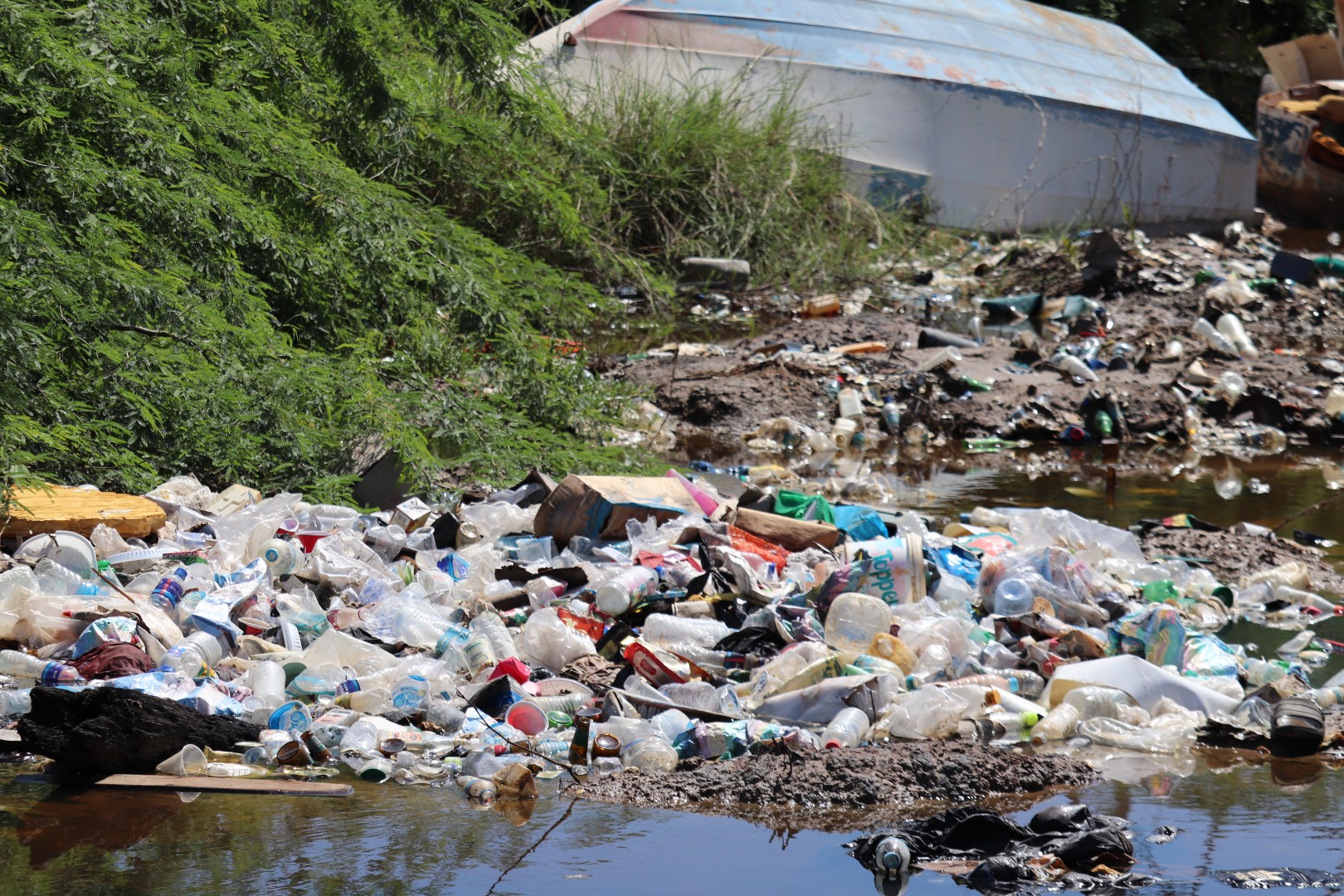
Children's Rights
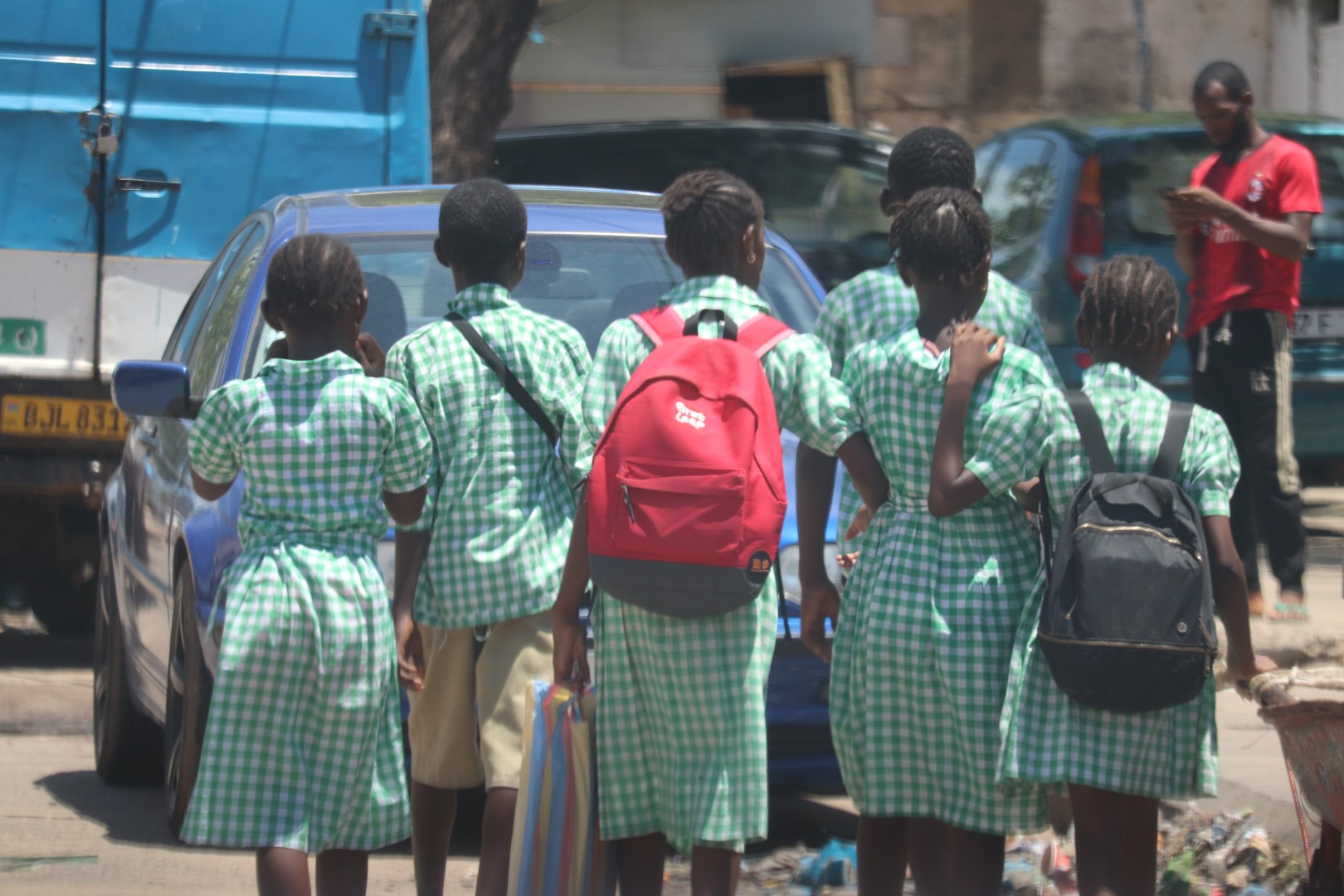
We are looking for authentic moments that reflect children's rights, protection, education, struggles as well as wellbeing.
Civic Space and Human Rights Defenders
Document the individuals and communities defending rights, promoting justice and strengthening democracy.
Strategic Litigation and Access to Justice
Justice does not begin in the courtroom.
It begins with people.
Show us those seeking justice, supporting others or working to strengthen accountability.
Implementation of Human Rights Decisions
✔ Put people at the centre of the story.
✔ Tell a compelling human story.
✔ Respect the dignity of everyone portrayed.
✔ Capture authentic moments rather than staged scenes.
✔ Demonstrate originality and creativity.
✔ Show strong technical quality.
✔ Encourage viewers to think, question and engage.
✘ Have been previously published in print or online.
✘ Have been submitted to another competition or publication where the outcome is still pending.
✘ Include identifiable individuals who have not given their informed written consent (or the consent of a parent or legal guardian where applicable).
✘ Infringe the copyright or intellectual property rights of another person. You must be the sole creator and copyright holder of the photograph.
✘ Be manipulated in a way that misrepresents the reality of the scene. Basic edits such as cropping, exposure and colour correction are permitted.
✘ Contain watermarks, logos, borders or promotional text.
To ensure that winning photographs can be professionally exhibited and published, entries must meet the following requirements.
Image format
Resolution
File size
Editing
Basic adjustments are permitted, including cropping, exposure and colour correction.
Images that have been digitally manipulated to add, remove or alter the factual content of the scene will not be accepted.
AI-generated or AI-enhanced images are not permitted.
Shortlisted photographers may be asked to provide the original RAW file for verification.
Each entrant may submit up to five photographs.
For each photograph, please provide:
If identifiable people appear in your photograph, you should confirm that informed consent has been obtained wherever reasonably possible.
Entries will be assessed by an independent panel of photographers, journalists and human rights experts.
Judging will be based on:
|
Criterion |
Weight |
|
|
Human Story |
20% |
the extent to which the image places people at the centre of the narrative and communicates the lived experience of a human rights issue. |
|
Storytelling & Impact |
20% |
the photograph's ability to evoke emotion, provoke reflection and communicate a compelling narrative. |
|
Originality |
20% |
the uniqueness of the perspective and approach.
|
|
Technical Quality |
20% |
composition, exposure, focus and overall presentation.
|
|
Relevance to Theme |
20% |
alignment with the competition's objectives and thematic areas.
|
From these finalists, the judges will select:
All shortlisted photographers will receive a certificate of recognition, and their work may be featured in IHRDA publications, exhibitions and communications, with full credit.
|
Activity |
Date (2026) |
|
Competition Launch |
1st August |
|
Submission Deadline |
30th August |
|
Shortlisting |
1st – 11th September |
|
Judging |
14th – 25th September |
|
Winners Notified |
1st October |
|
Exhibition Opening and Award Ceremony |
Date TBC. (During the 89th OS of the ACHPR, Dakar (12-21 Oct) |
Copyright
Photographers retain copyright of their work.
By entering the competition, photographers grant IHRDA a non-exclusive, royalty-free licence to use shortlisted and winning images for communications, publications, exhibitions, educational and advocacy purposes, with full photographer credit.
Ethics
Entries must respect the dignity, privacy and safety of all individuals photographed.
Images obtained through deception, exploitation or that place individuals at risk may be disqualified.
Authenticity
Photographs must be the entrant's original work.
AI-generated or materially manipulated images are not permitted.
Consent
Entrants are responsible for ensuring that appropriate consent has been obtained from identifiable individuals wherever reasonably possible, particularly when photographing children or vulnerable communities.

Institute for Human Rights and Development in Africa (IHRDA)
949 Brusubi Layout, AU Summit Highway,
P.O. Box 1896 Banjul, The Gambia.
Tel: +220 44 10 413/4
Cell: +220 77 51 200
Email: ihrda@ihrda.org