
Defend, Educate, Inform

We, the undersigned human rights organisations and experts have jointly intervened in a landmark Advisory Opinion before the African Court on Human and Peoples’ Rights (AfCHPR). This opinion will shape how governments across Africa protect people put at risk by the climate crisis, including those forced to move as a result.
This Advisory Opinion is one of the most widely participated in the Court’s history. Initiated last year by the Pan African Lawyers Union, their request asks the Court for an opinion on the obligations of States with respect to climate change. It presents a rare and important opportunity for the Court to clarify what governments must do to protect people as the climate crisis intensifies.
In response to a request for submissions to inform the Court’s opinion, the Global Strategic Litigation Council (GSLC), Hakijamii-ESRC, the Institute for Human Rights and Development in Africa and Kituo Cha Sheria submitted a joint brief focusing on climate displacement – with the support of an expert drafting team and counsel.
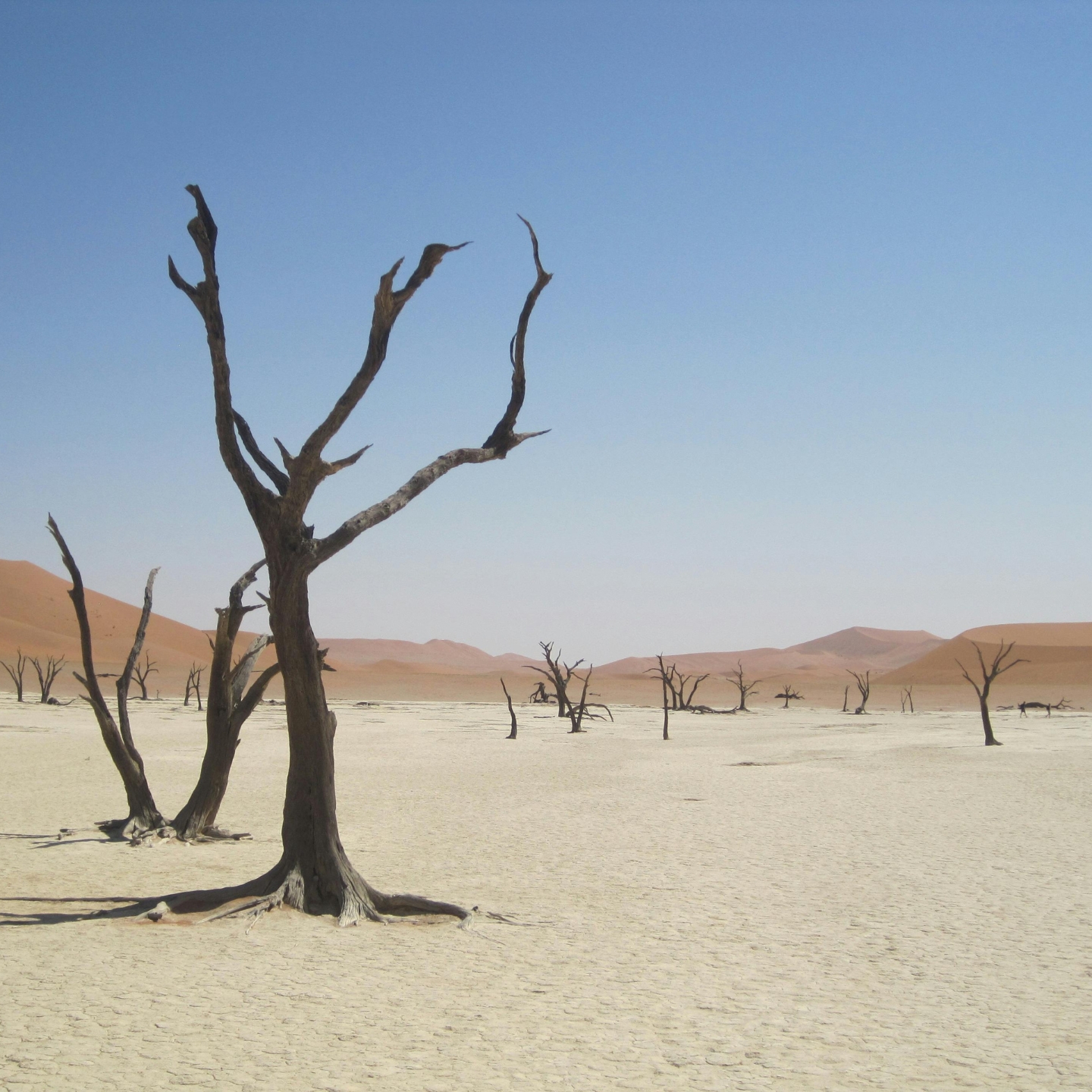
Across the continent, millions of people are displaced every year due to drought, flooding, environmental degradation, and resource extraction. Grounded in testimonies from Kenya, Namibia, Nigeria, and the Sahel, our submission highlights the human rights implications of climate-related displacement: the destruction of homes and farmland, access to food and water cut-off, increasing insecurity, and loss of ancestral ties.
Our brief makes clear that States have duties under the African Charter on Human and Peoples’ Rights and other international instruments to protect people across all phases of displacement. Specifically, we urge the Court to clarify that:
The Advisory Opinion comes against the backdrop of courts around the world increasingly recognising the link between climate change and human rights. Recent landmark advisory opinions from the International Court of Justice and the Inter-American Court of Human Rights have reinforced that climate change can impair the enjoyment of a wide range of fundamental rights and that states have duties to prevent, mitigate, and address those harms.
Building on this momentum, the AfCHPR has the opportunity to set a strong and forward-looking standard grounded in the African Charter and other key regional instruments, which progressively recognises a standalone right to a healthy environment and treats environmental rights as both collective and developmental. This offers a powerful framework for interpreting States’ duties in relation to climate change in the African context.
While Advisory Opinions are not legally binding, they carry significant authority. A strong opinion from the Court could influence national laws and policies, support future litigation, and strengthen protections for people affected by climate change across Africa. It could also play an important role in advancing global understanding of climate-related displacement as a human rights issue.
Following the 30 March 2026 deadline for submissions, we expect the Court to issue directions on the admission of parties, the consideration of briefs filed, and whether it will conduct oral proceedings as it moves towards issuing its Advisory Opinion.
Members of our coalition said:
“Failure to address climate (im)mobility will leave a critical gap in the Court’s guidance. Millions of people across Africa are already being displaced by climate change. The Court must respond to this reality with clear and practical direction for states.” – Beatrice Njeri, Africa Regional Litigator, Global Strategic Litigation Council (GSLC)
“In recent years, the ICJ and other international courts have risen to the challenge of providing a legal solution to the problems created by climate change. Now, the African Court must provide a strong opinion that recognises the rights of communities affected by climate displacement – which the IPCC recognises is the greatest impact of climate change.” – Harj Narulla, Barrister at Doughty Street Chambers and Counsel on the brief.
For any questions, please get in touch with:
Signatories:

Institute for Human Rights and Development in Africa (IHRDA)
949 Brusubi Layout, AU Summit Highway,
P.O. Box 1896 Banjul, The Gambia.
Tel: +220 44 10 413/4
Cell: +220 77 51 200
Email: ihrda@ihrda.org