
دافع، ثقّف، عرّف
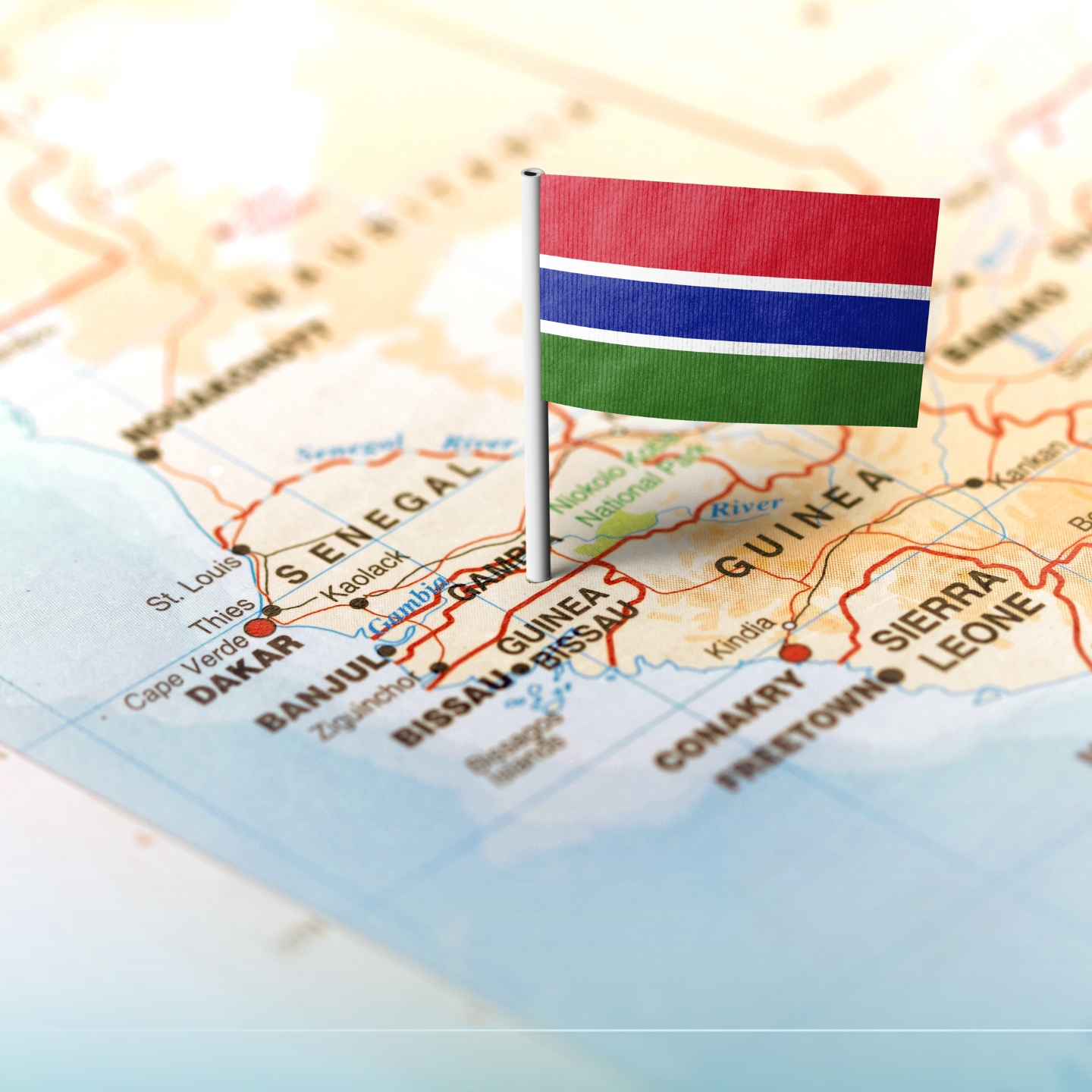
في مارس 2004، وقعت السلطة القضائية في غامبيا مذكرة تفاهم مع وزارة التنمية الدولية البريطانية (DFID) لتمويل المرحلة الأولى من برنامج بناء القدرات القانونية في غامبيا (LCBP) لمدة ثلاث سنوات - 2004-2007.
تعاقدت وزارة التنمية الدولية البريطانية (DFID) مع منظمة IHRDA لإدارة برنامج LCBP، بالإضافة إلى تنسيق مختلف الأنشطة المندرجة تحته. وخلال المرحلة الأولى من البرنامج، تولت IHRDA إدارة المشروع، حيث قامت بدور الوسيط بين وزارة التنمية الدولية البريطانية والسلطة القضائية، وساهمت في تخطيط ورش العمل، وأدخلت منظور حقوق الإنسان الدولي في التدريبات. كما شاركت IHRDA في معالجة طلبات التمويل من مختلف الجهات الفاعلة في القطاع القانوني الغامبي، مما أتاح مرونةً كبيرةً في الاستجابة للاحتياجات المتغيرة للبرنامج والسلطة القضائية مع استمرار المرحلة الأولى من المشروع التي امتدت لثلاث سنوات.
تضمن جزء أصغر من دور المنظمة الدولية لحقوق الإنسان والتنمية تقديم مدخلات في مجال حقوق الإنسان للبرنامج. وقد اختارت المنظمة التركيز على الوصول إلى العدالة، ومع مرور الوقت، حصرت هذا التركيز في المساعدة القانونية.
يهدف برنامج الشراكة القانونية في غامبيا إلى تعزيز النظام القانوني القائم في البلاد، وإدخال إصلاحات جوهرية وتدريجية في إدارة وتمويل المحاكم، وتطبيق اللامركزية، وزيادة إمكانية الوصول إلى الخدمات القانونية في المناطق الريفية. ويكتسب هذا البرنامج أهمية خاصة، إذ يُسهم في التنمية المستدامة لسلطة قضائية قوية ومستقلة.
أهداف برنامج LCBP
LCBP was aimed at meeting the overall goals of ensuring the إمكانية الوصول، وجودة العدالة، والكفاءة (والفعالية) يهدف هذا البرنامج إلى تحسين النظام القضائي في غامبيا لصالح غالبية المواطنين الفقراء، وذلك من خلال إنشاء كوادر مهنية وإدارية أكثر كفاءة وفعالية في السلطة القضائية ووزارة العدل. وقد تم التعبير عن هذا الهدف العام في الأهداف التسعة المحددة التالية:
ركزت السنة الأولى من المرحلة الأولى من برنامج بناء القدرات القضائية بشكل مكثف على ورش عمل للمشاركين، مما أتاح لعدد كبير من أصحاب المصلحة الاطلاع على مجموعة واسعة من المواضيع المتعلقة بالإصلاح القضائي. وفي السنة الثانية، انصب التركيز الرئيسي على زيادة التدريب أثناء الخدمة، بما في ذلك تدريب الكوادر الرئيسية القادرة على تدريب زملائها على جميع مستويات السلطة القضائية. أما السنة الثالثة، فقد ركزت على العديد من الاستشارات، والأنشطة التدريبية الموجهة، وتحسين المشاريع التي بدأت في السنتين الأوليين، مثل تركيب نظام النسخ بمساعدة الحاسوب في إحدى المحاكم العليا.
تم تحقيق المرحلة الأولى من برنامج LCBP في المجالات التالية:
يعود نجاح المرحلة الأولى من برنامج LCBP إلى حد كبير إلى المرونة التي وفرها للقضاء الغامبي والجهات القانونية الأخرى لتكييف البرنامج مع احتياجاتهم المتغيرة.
لا تزال المرحلة الثانية من برنامج الشراكة من أجل العدالة الجنائية (LCBP) جارية، وإن لم تكن تحت إدارة المنظمة الدولية لحقوق الإنسان والتنمية (IHRDA). وتُمثل نجاحات المرحلة الأولى من البرنامج أفضل خطوة يخطوها القضاء الغامبي نحو تحقيق حق الإنسان الأساسي في الوصول إلى العدالة، وما يُمكن تحقيقه عندما تتوافر الإرادة اللازمة لإحداث التقدم. وتفخر المنظمة الدولية لحقوق الإنسان والتنمية (IHRDA) بمشاركتها كمديرة لمشروع المرحلة الأولى من برنامج الشراكة من أجل العدالة الجنائية (LCBP) لصالح القضاء الغامبي.
قائمة كاملة بالأنشطة التدريبية التي تم إجراؤها في إطار المرحلة الأولى من برنامج LCBP (2004-2007)

معهد حقوق الإنسان والتنمية في أفريقيا (IHRDA)
949 بروسوبي لاي أوت، طريق أو إيه ساميت السريع،
صندوق بريد 1896 بانجول، غامبيا.
الهاتف: +220 44 10 413/4
الهاتف المحمول: +220 77 51 200
البريد الإلكتروني: ihrda@ihrda.org