
Defend, Educate, Inform
Behind every landmark judgment is a child fighting for the right to education. A woman demanding equality. A community seeking justice after environmental harm. A journalist defending freedom of expression. A worker striving for dignity. A human rights defender refusing to be silenced.
These are the stories that often remain unseen.
For nearly thirty years, the Institute for Human Rights and Development in Africa (IHRDA) has worked to advance justice across the continent through strategic litigation, advocacy, research and capacity building. Our work has contributed to landmark decisions before African and international human rights bodies, strengthened accountability and supported individuals and communities in their pursuit of justice.
Yet throughout this work, we have recognised an important gap.
While legal judgments, reports and publications explain the issues and document the law, they do not always capture the human stories behind them. The voices, faces and everyday realities of the people whose lives are shaped by these issues are too often missing from the conversation.
Behind Every Case, A Human Story was created to help bridge that gap.
In August 2026, IHRDA invited photographers from across Africa to document the people behind human rights issues, capturing stories of dignity, resilience, courage and hope that reveal how human rights are experienced in everyday life.
The competition was open to professional photographers, photojournalists and amateur photographers, attracting 100 entries from 14 African countries. Following an internal shortlisting process, an independent panel of judges selected three winning photographs based on five criteria:
The 20 shortlisted photographs, including the three winning entries, were unveiled to the public on 14 October 2026 at a photography exhibition and networking reception held at Loman Art House in Dakar, Senegal. The event took place on the margins of the 89th Ordinary Session of the African Commission on Human and Peoples’ Rights.
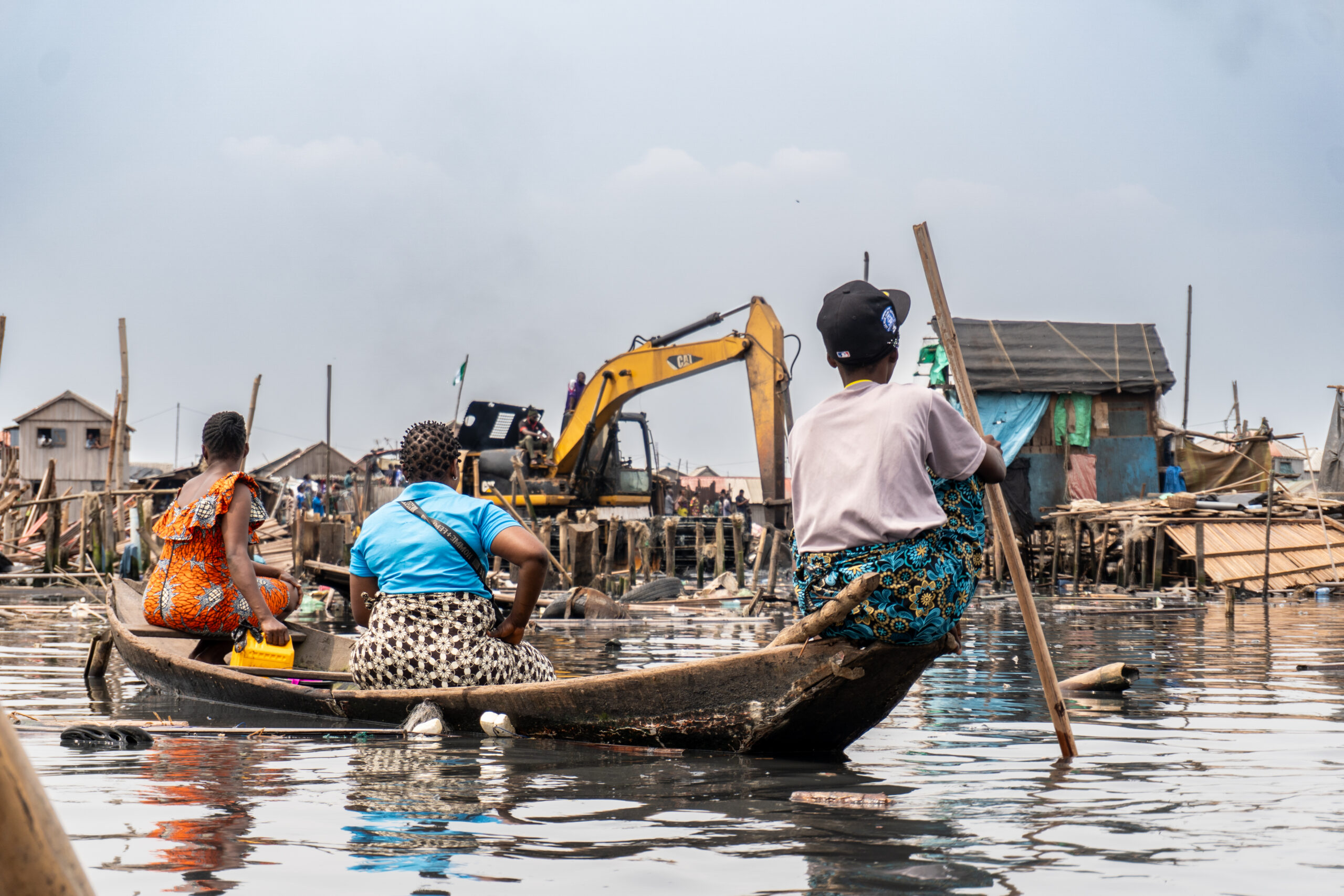
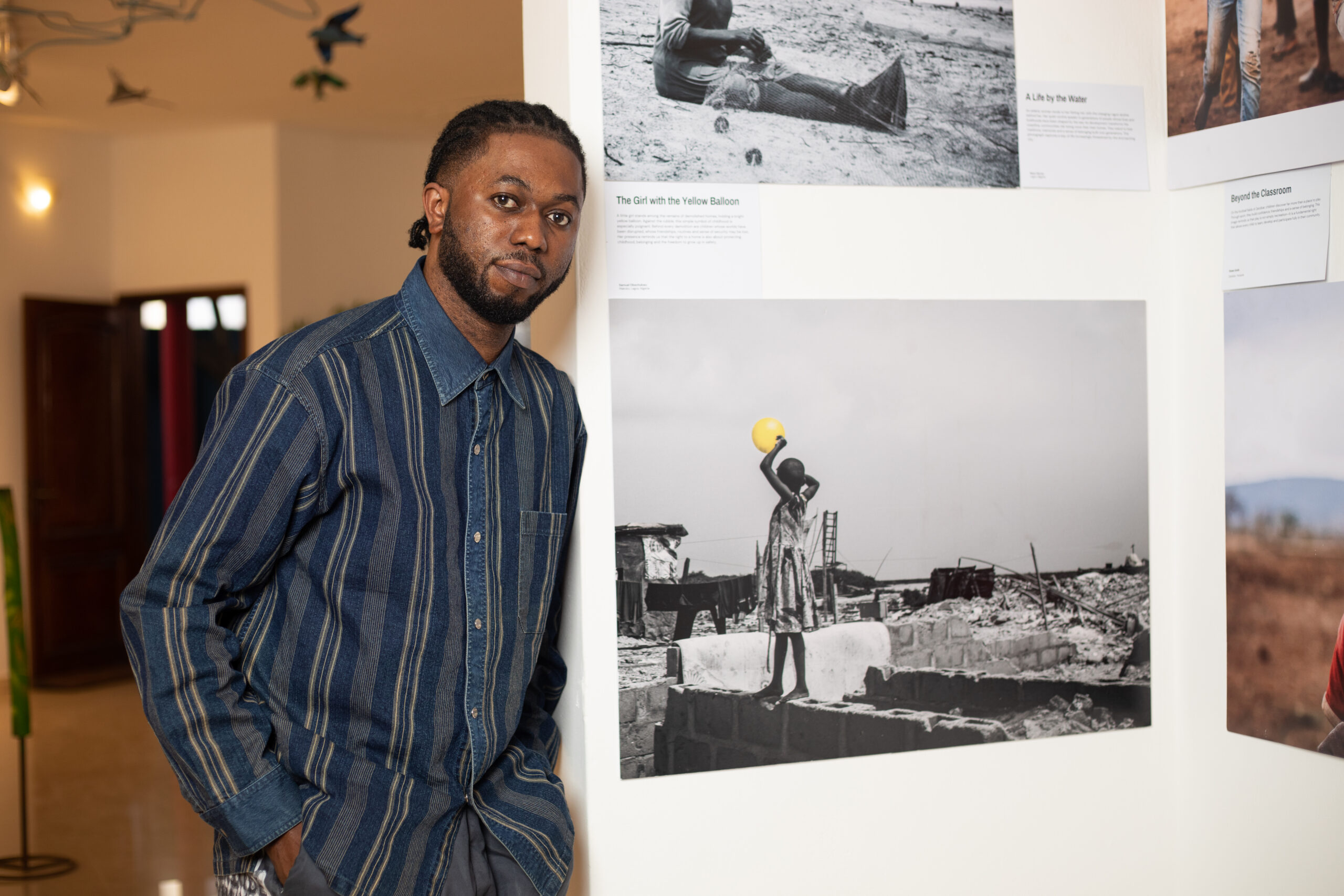
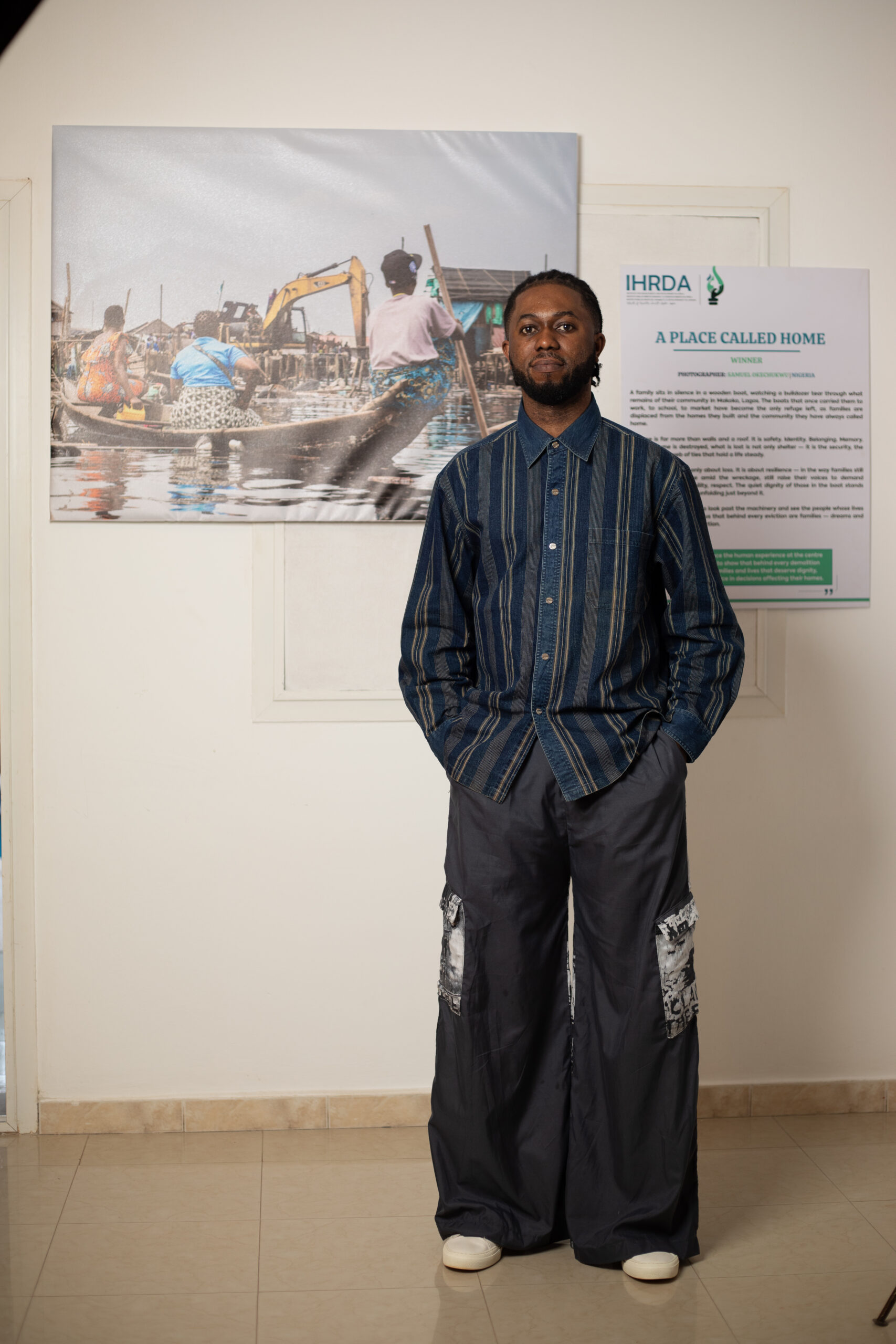
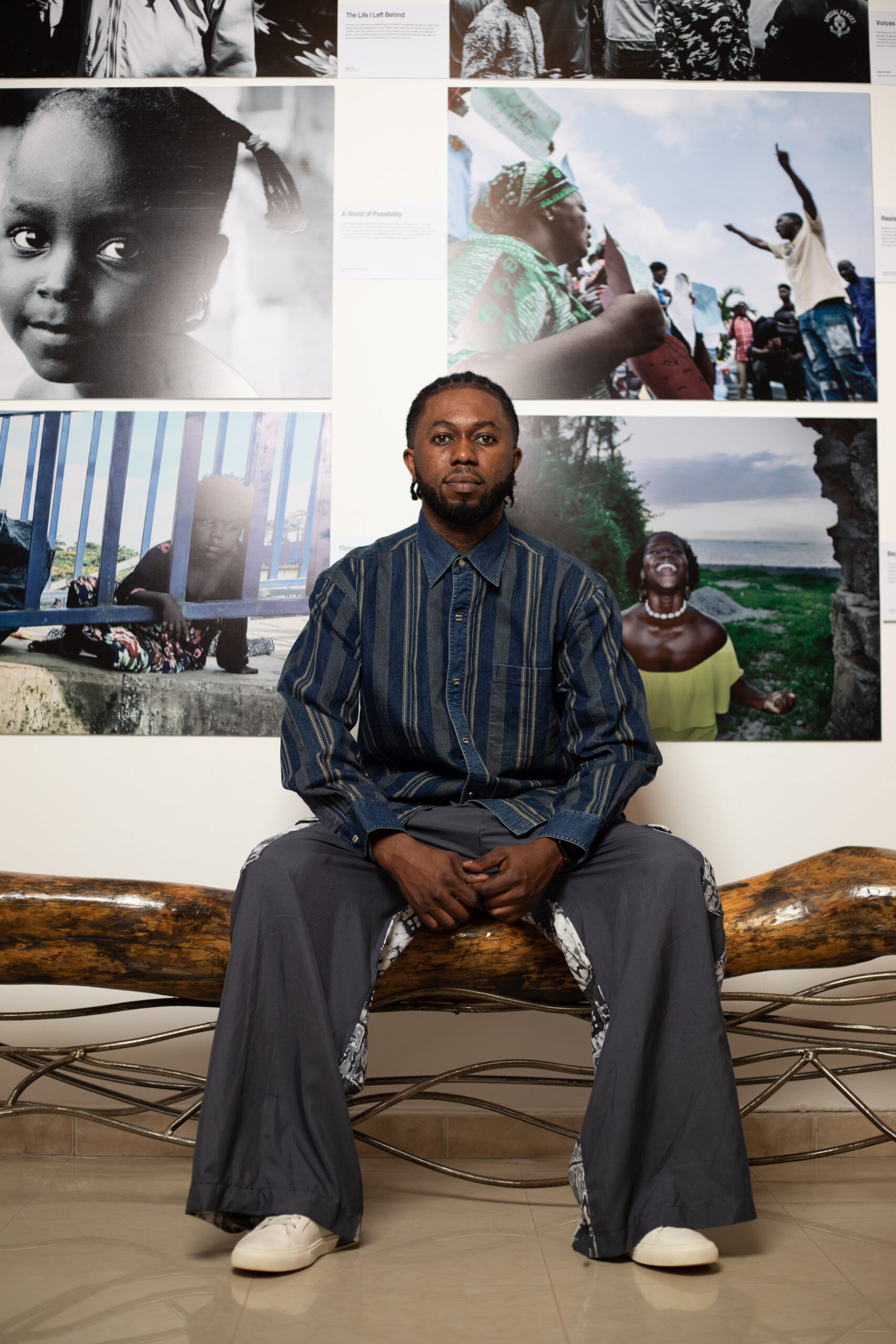
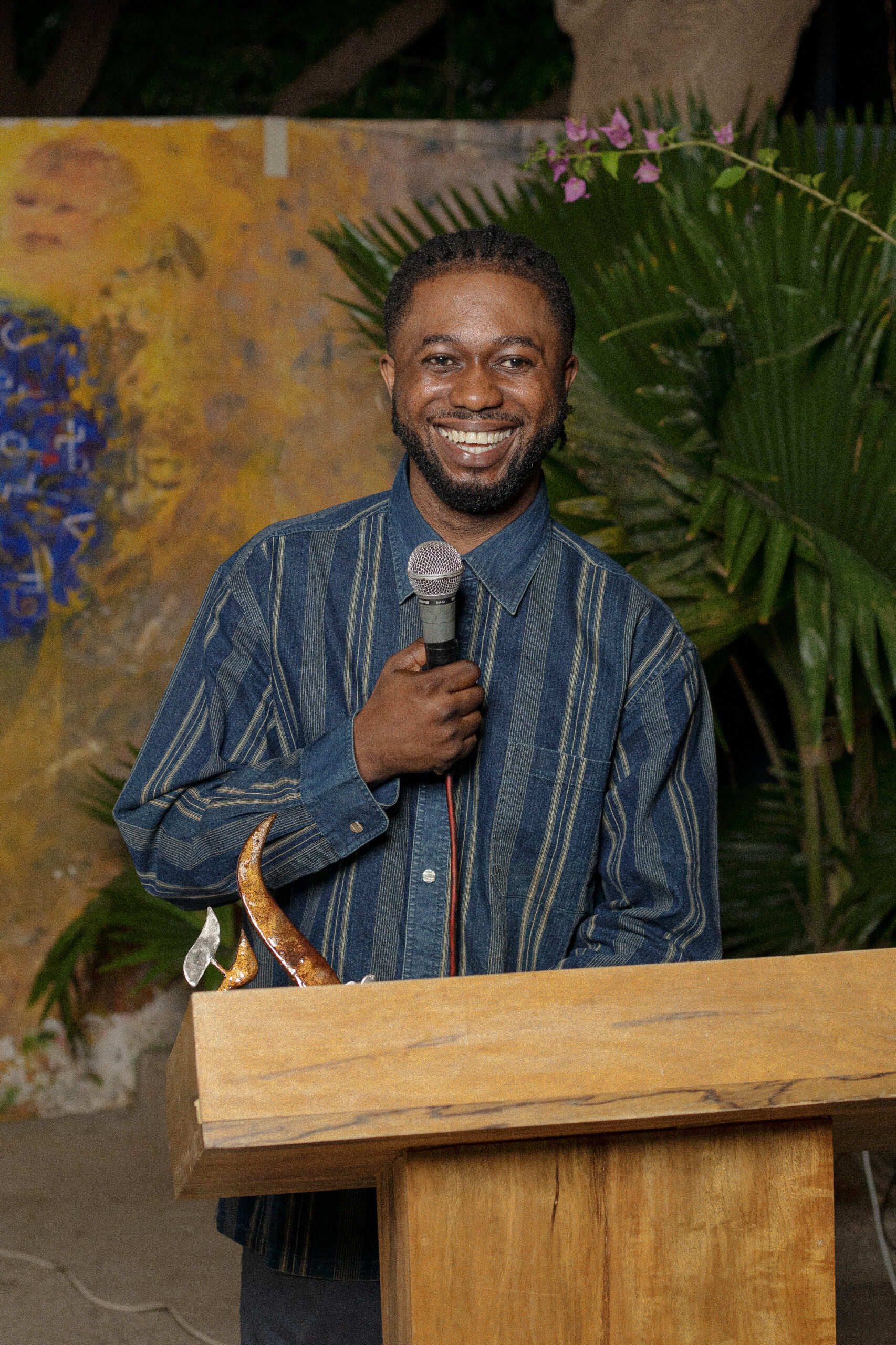
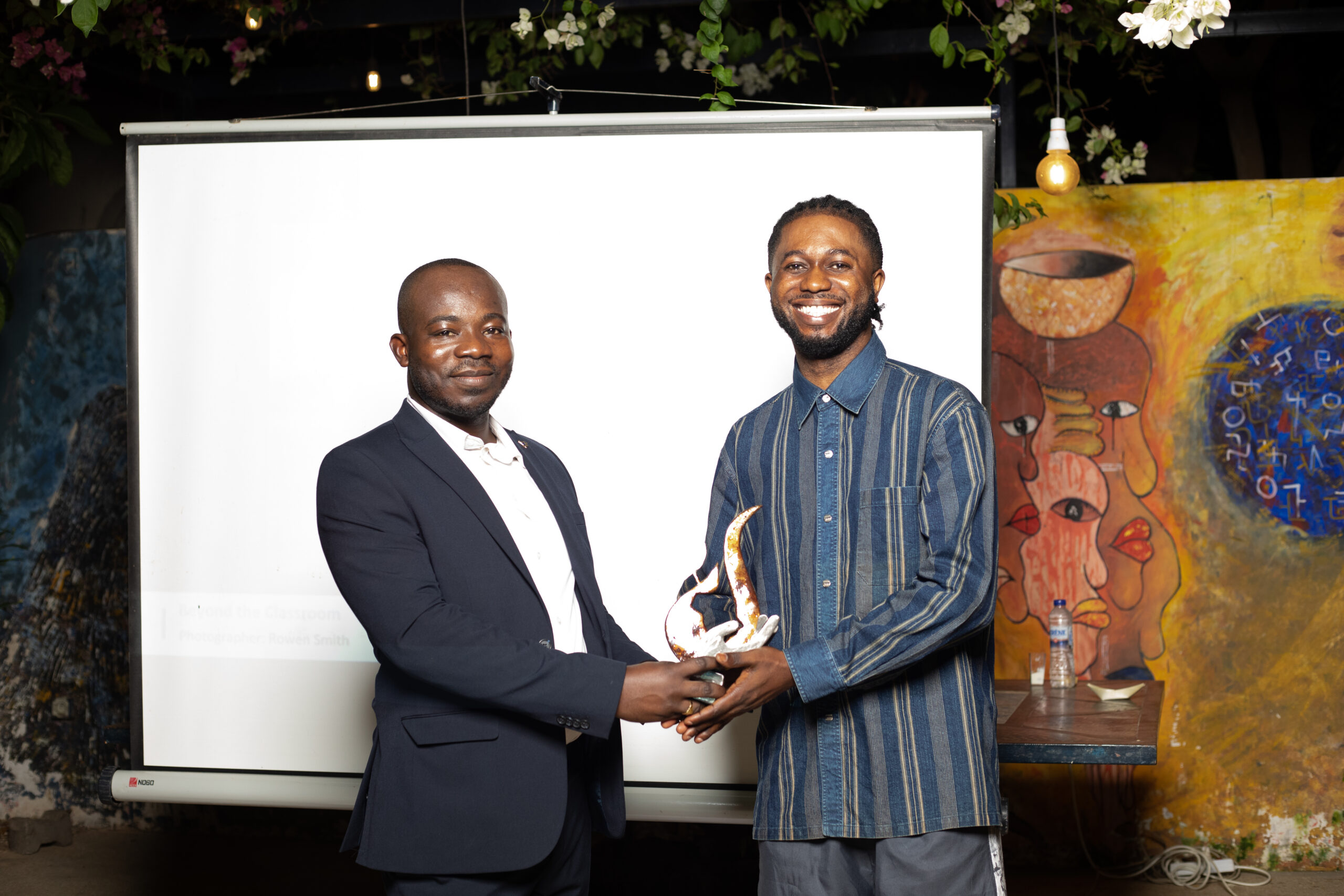
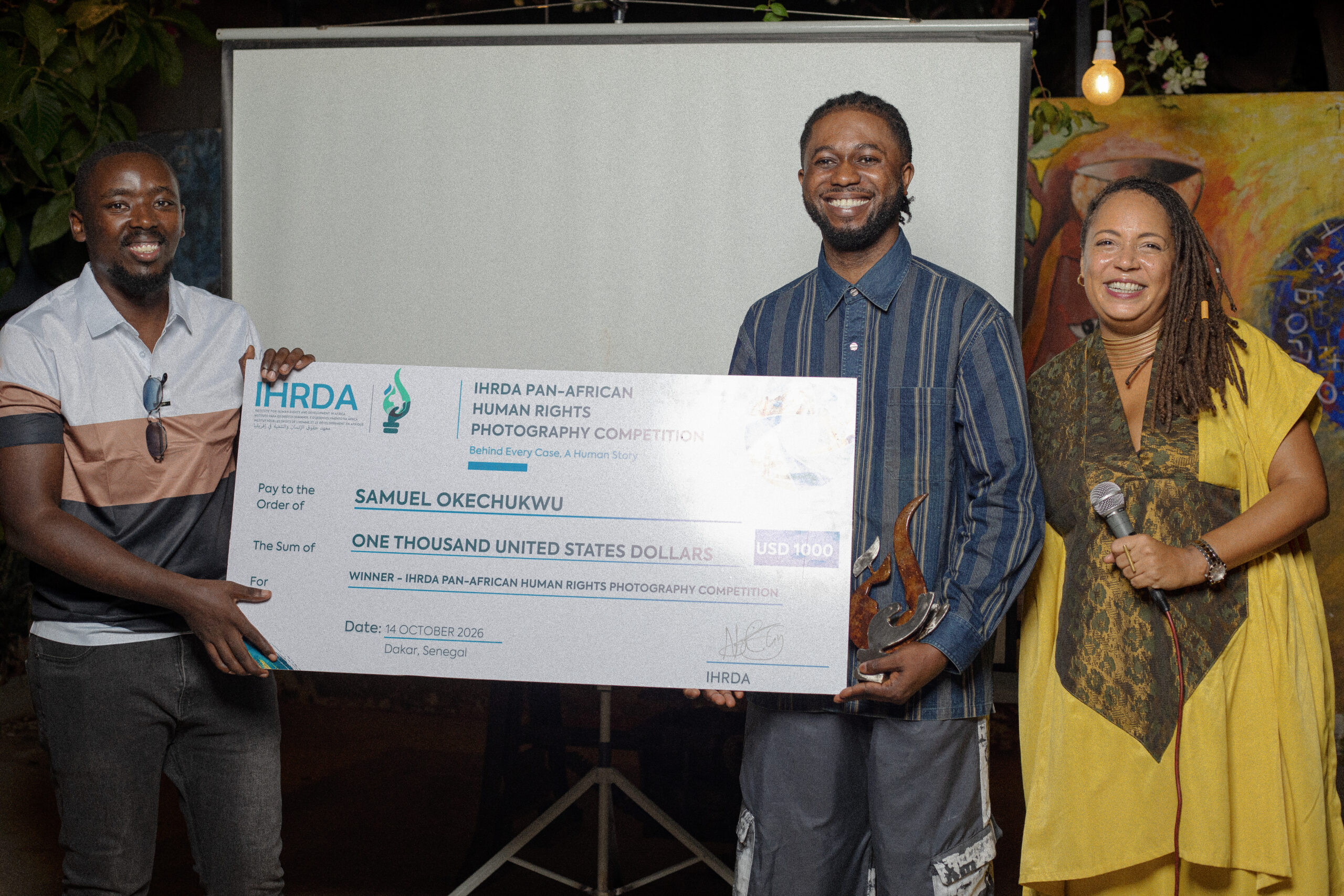
 “Winning this competition is a great honour. It is encouraging to see how photography can tell powerful human rights stories, capture lived experiences, and give visibility to people and communities whose voices deserve to be heard. This recognition inspires me to continue using photography to document stories that matter and contribute to greater awareness of human rights across Africa.” Samuel Okechukwu - Winner, IHRDA Pan-African Human Rights Photography Competition

On the football fields of Zanzibar, children discover far more than a place to play. Through sport, they build confidence, friendships and a sense of belonging.
A child’s smile can tell a story of joy, confidence and possibility. From moments of play and connection to the simple happiness captured in a smile.
These images reminds us that play is not simply recreation—it is a fundamental right that allows every child to learn, develop and participate fully in their community.
Zanzibar, Tanzania 🇹🇿
To be seen is more than to be noticed—it is to exist without apology and to occupy space with dignity. These quiet portraits are not about crisis or conflict, but about presence. Her gaze reminds us that recognition is itself a human right, and that every person deserves to be seen, heard, and valued.
Nigeria 🇳🇬
This portrait photograph imagines a future beyond child marriage. Featuring model Ma Awa Barry, it represents the millions of girls across Africa whose childhoods are cut short by early marriage. But rather than documenting pain, the image symbolises resilience, hope and the possibility of reclaiming one's future. It reminds us that with education, community support and opportunity, child marriage does not have to define a girl's life.
Tanji, The Gambia 🇬🇲
Hussein, 19, carries a cardboard gun in Nairobi, imagining the life he might have faced had he remained in Nyala, Darfur. Sent away by his family to escape conflict and the threat of forced recruitment, he now dreams of a different future. This portrait speaks to the realities of displacement and the right of every young person to live free from violence and fear.
Nairobi, Kenya 🇰🇪
In Jebel Moon, Sudan, two young girls turn a manual water pump into a playground as they wait to collect water. In another life, they might be in school. Instead, conflict has reshaped their childhood. This photograph captures the remarkable resilience of children who continue to find moments of joy, even as war disrupts their right to safety, education and a stable home.
Sudan 🇸🇩
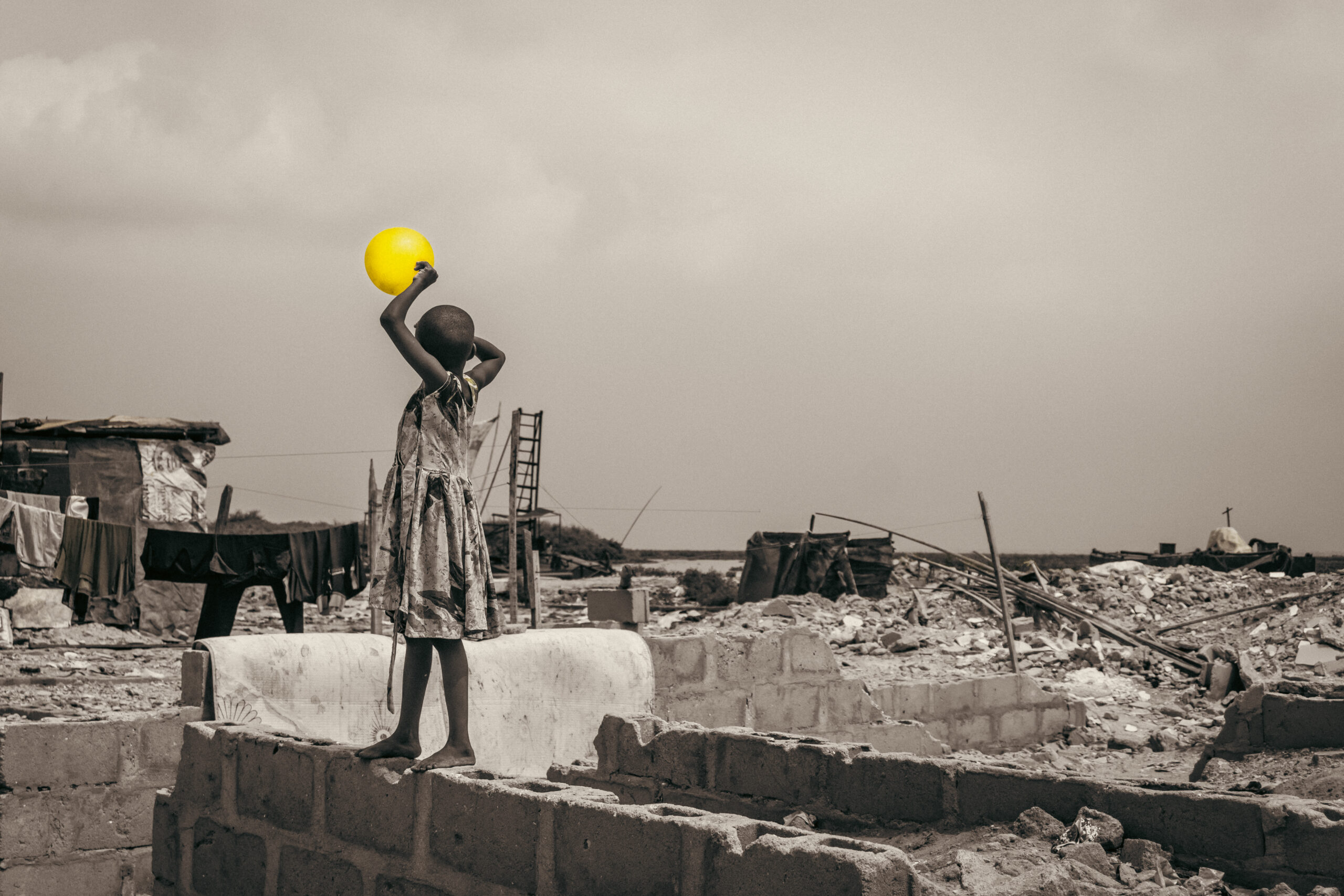
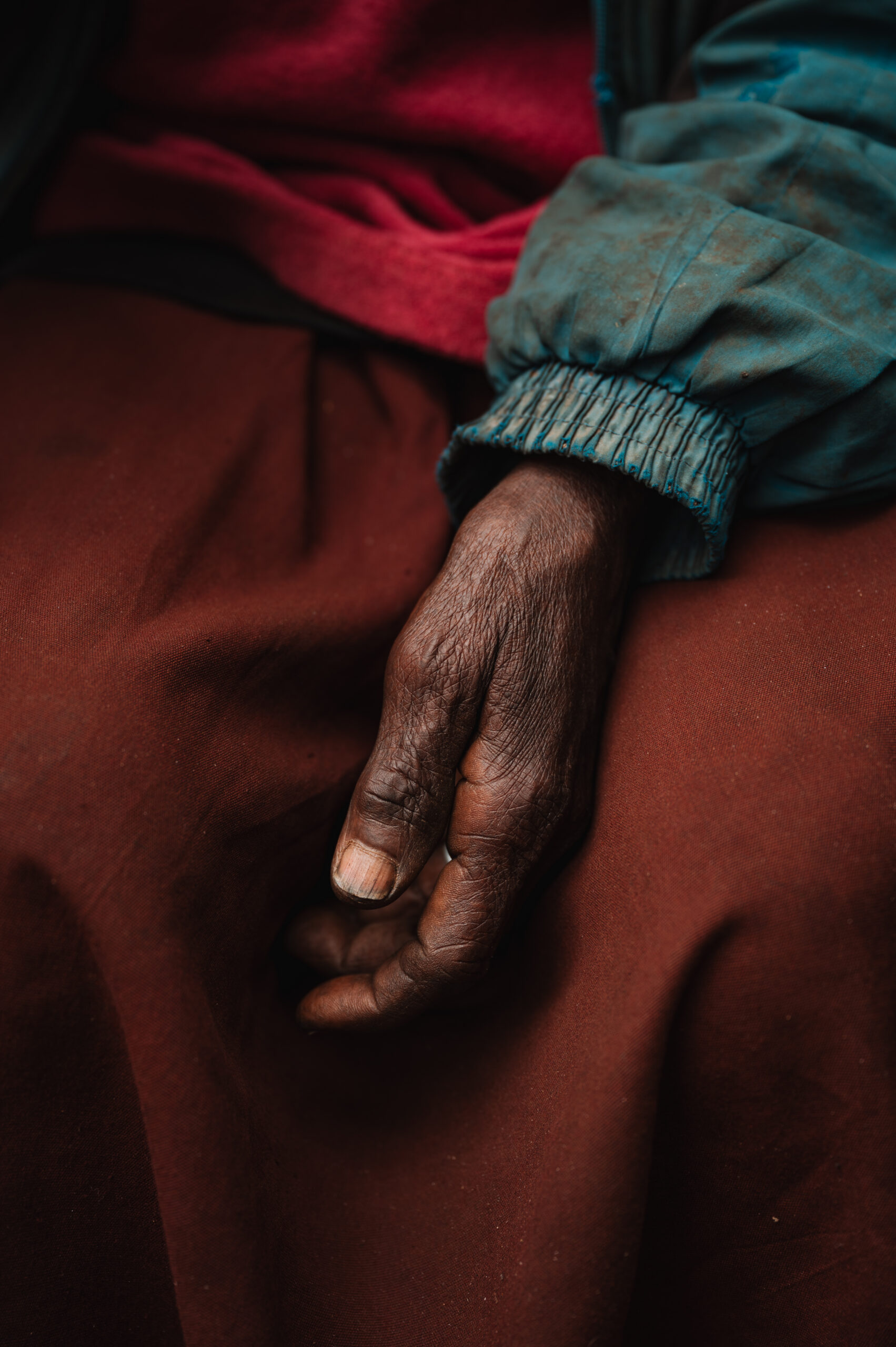
As the city expands, the coastline that once sustained generations is steadily disappearing. An elderly woman stands overlooking a changing landscape where development threatens not only homes and livelihoods, but also memory, identity and belonging.
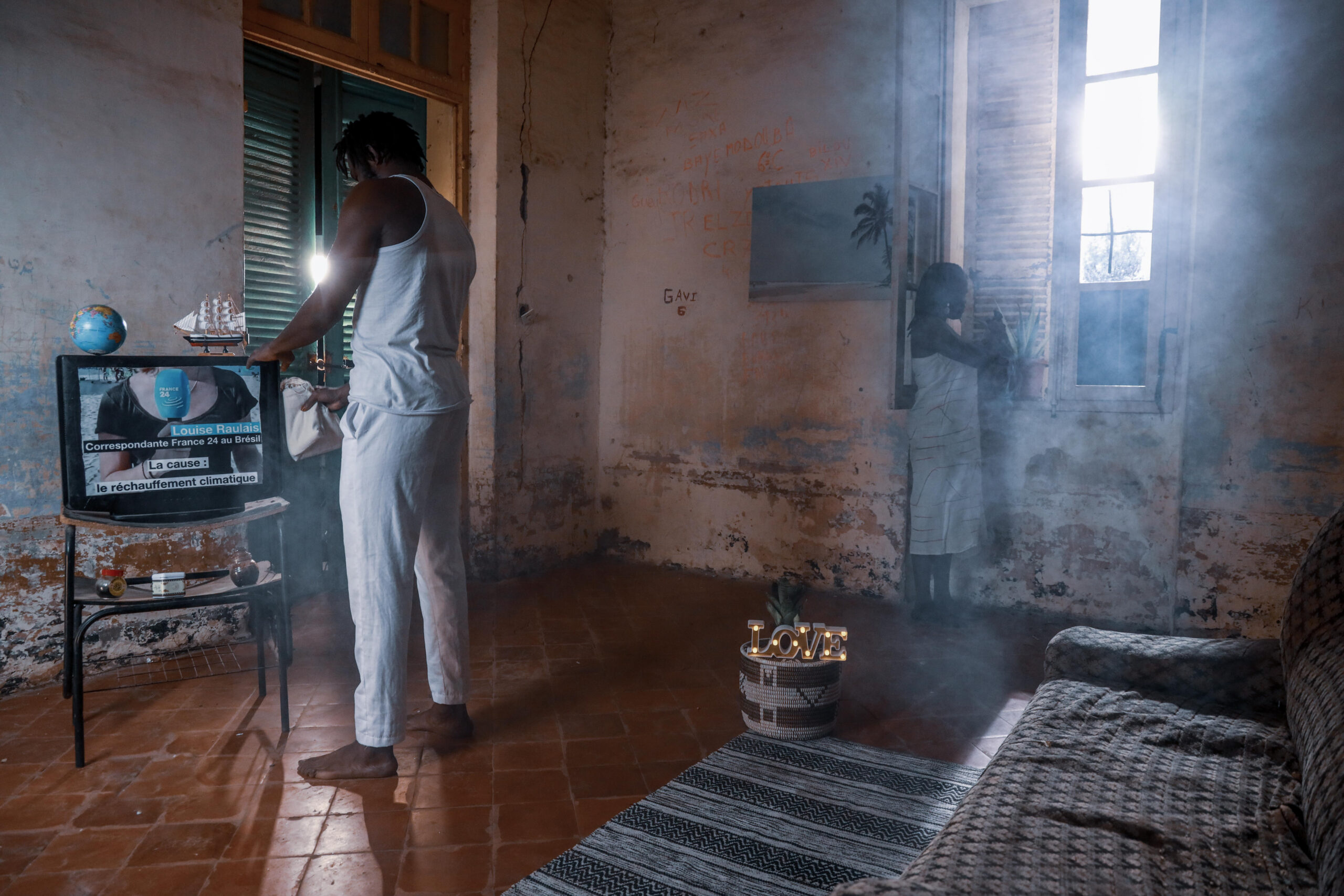
A Ferris wheel rises above the city—a symbol of leisure and progress, but also of a landscape being transformed. As urban development expands, the spaces and environments that have sustained communities for generations are increasingly under pressure.
These photographs reflect on the human cost of rapid urbanisation and the communities left behind.
Lagos, Nigeria 🇳🇬
On a cold Johannesburg morning, 66-year-old Mr Buthelezi leads his livestock across a seemingly desolate landscape. A former migrant labourer, he has carried his lifelong connection to farming from his rural home into the heart of the city. This portrait reflects the enduring relationship between land, identity and livelihood, even as cities continue to transform.
Johannesburg, South Africa 🇿🇦
Taiwo Idowu walks across a young palm plantation carrying a drone landing pad for a herbicide-spraying mission. A farmer and certified agricultural drone pilot, she is challenging stereotypes in a profession where women remain underrepresented. This photograph celebrates innovation, determination and the right of women to lead in every field.
Abeokuta, Ogun State, Nigeria 🇳🇬
On the streets of Lagos, childhood unfolds against the harsh realities of survival. Children navigate each day with resilience, finding ways to eat, care for one another and endure circumstances beyond their control. This photograph asks us to look beyond the street itself and consider what dignity, protection and opportunity should mean for every child.
Lagos, Nigeria 🇳🇬
When younger children were asked to leave a football pitch for a tournament for older players, disappointment quickly turned into generosity. Seeing their distress, the older players opened another field so they could continue playing. This simple act reminds us that protecting children's rights can begin with something as small as making space—for play, participation and belonging.
Douala, Cameroon 🇨🇲
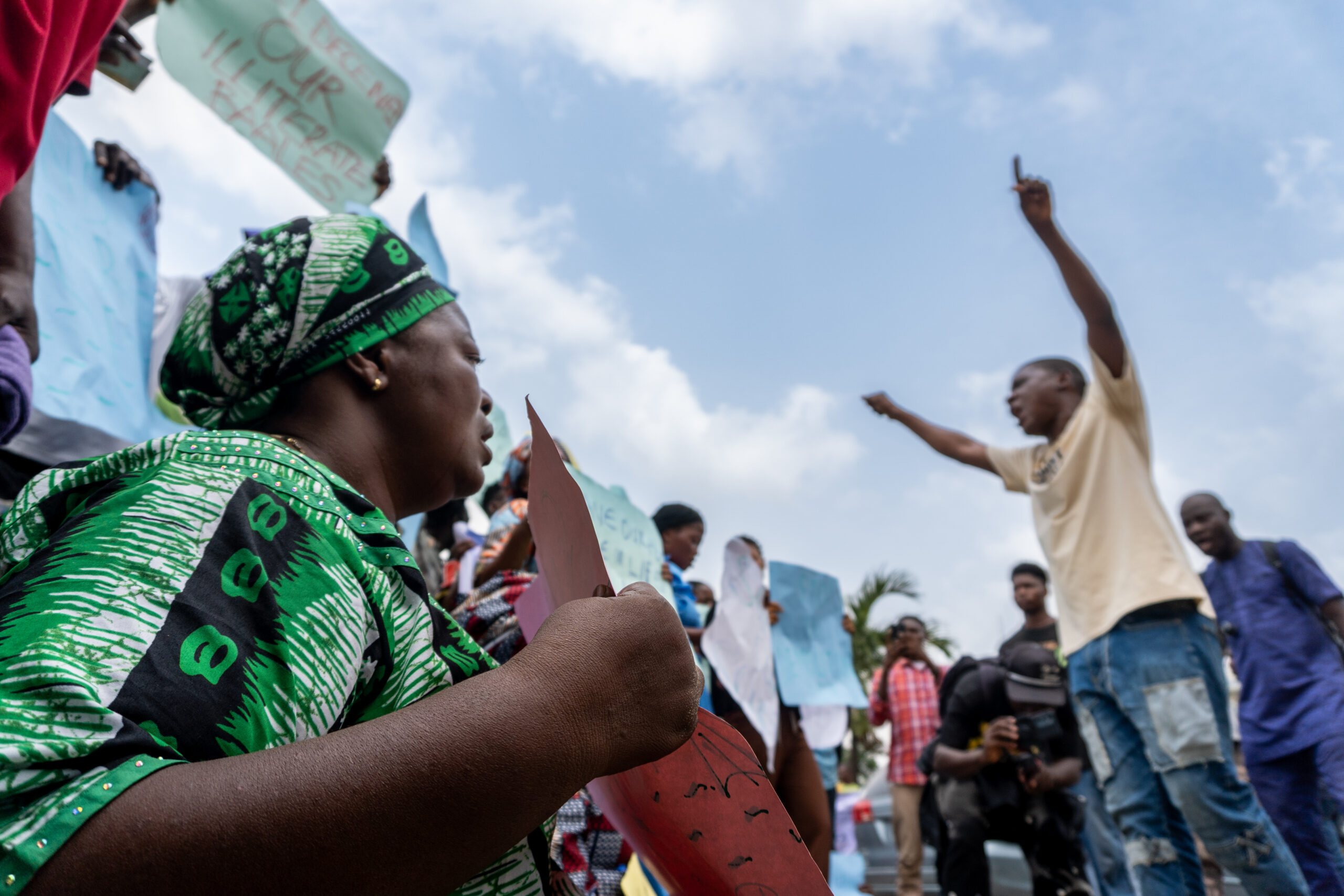
Following the unlawful killing of health worker Ernest Owoicho by soldiers, the people of Ugbokpo came together to demand truth, accountability and justice. Through peaceful protest and collective action, this photograph documents a community refusing to allow violence to be forgotten, reminding us that the pursuit of justice begins with ordinary people raising their voices.
Ugbokpo, Benue State, Nigeria 🇳🇬
On the streets of Lagos, childhood unfolds against the harsh realities of survival. Children navigate each day with resilience, finding ways to eat, care for one another and endure circumstances beyond their control. This photograph asks us to look beyond the street itself and consider what dignity, protection and opportunity should mean for every child.
Dakar, Senegal 🇸🇳

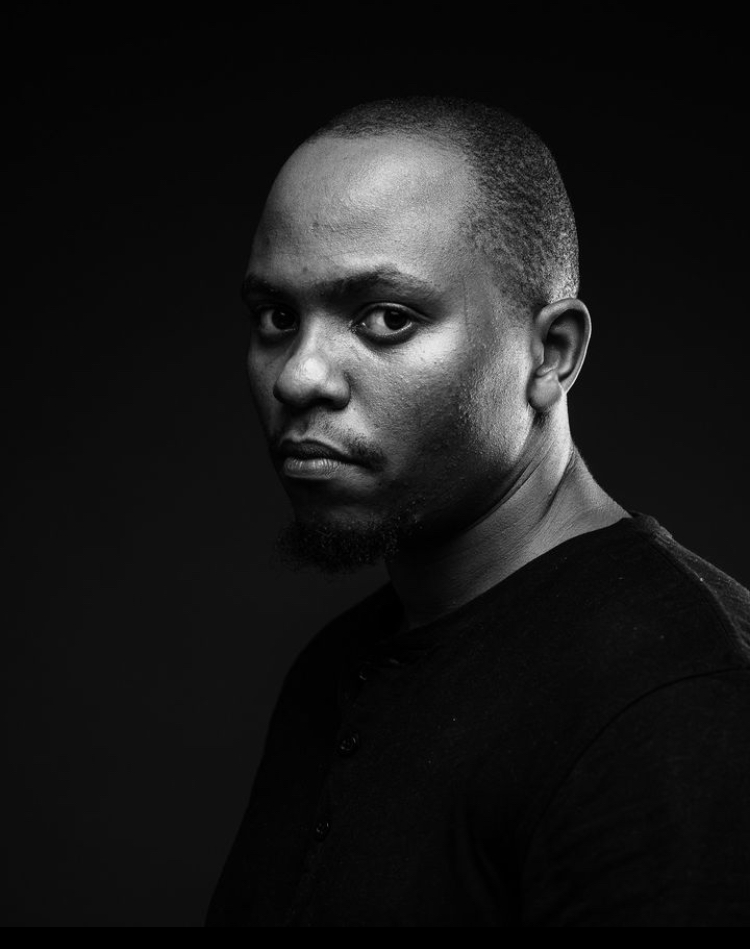
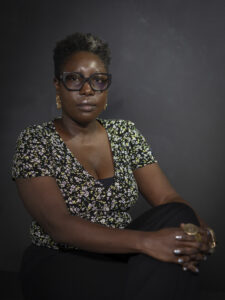
Dr. Musa Kika - Executive Director, IHRDA
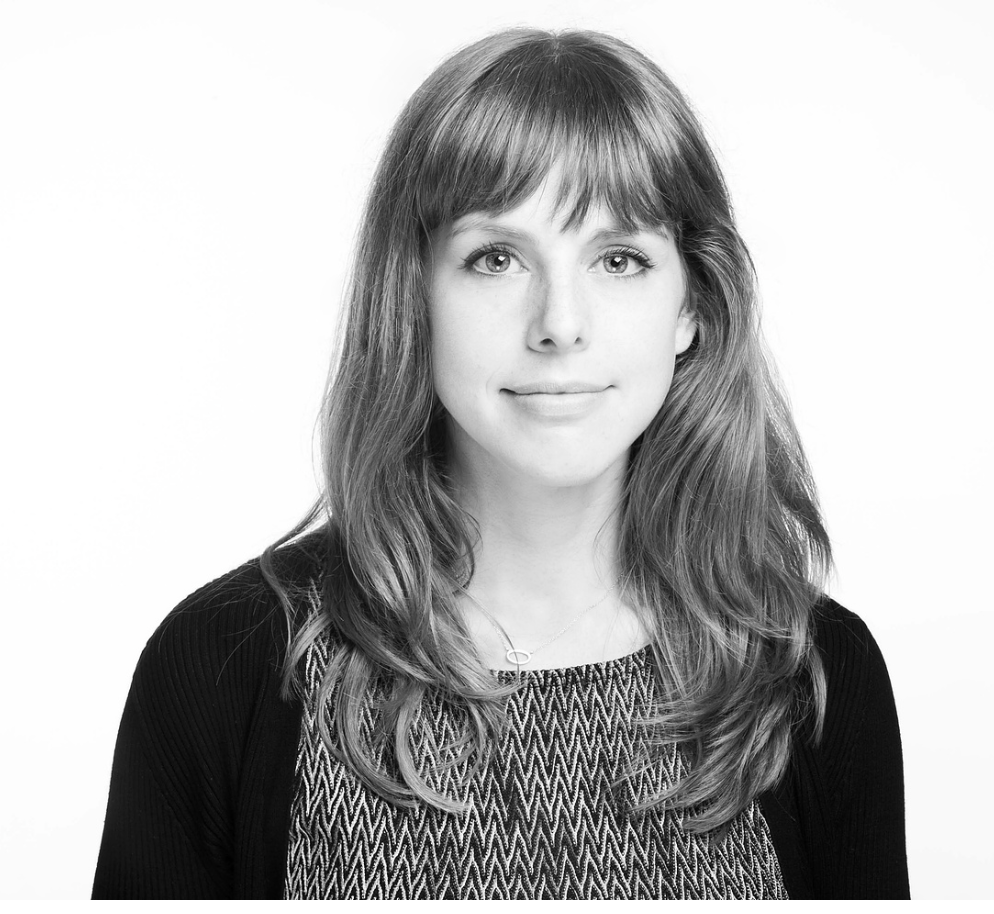
Maggie Svoboda — Senior Photo Editor, Human Rights Watch

Peter Midwa - AI Video producer, Inkitt.
Institute for Human Rights and Development in Africa (IHRDA)
949 Brusubi Layout, AU Summit Highway,
P.O. Box 1896 Banjul, The Gambia.
Tel: +220 44 10 413/4
Cell: +220 87 77 51 200
Email: ihrda@ihrda.org