
دافع، ثقّف، عرّف
سعادة الرئيسة،
أصحاب السعادة المفوضين،
أيها المندوبون الكرام،
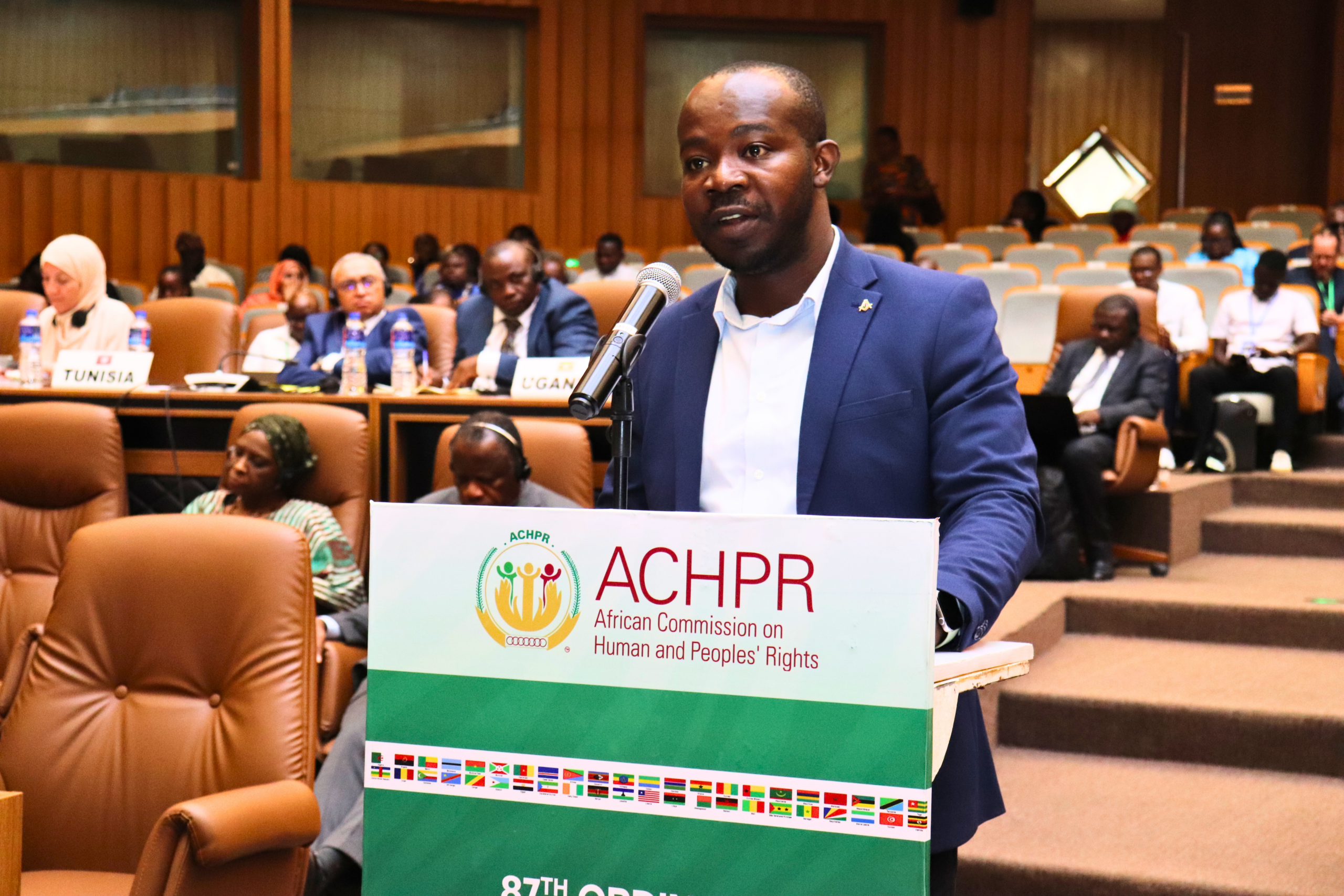
نشكركم على إتاحة الفرصة لنا للتحدث إلى الـ 87ذ الدورة العادية للجنة الأفريقية.
ال معهد حقوق الإنسان والتنمية في أفريقيا نتقدم بأحر التهاني إلى اللجنة الأفريقية لحقوق الإنسان والشعوب بمناسبة الذكرى الخامسة والأربعين للميثاق الأفريقي لحقوق الإنسان والشعوب، وهو صك تاريخي شكّل بنية حقوق الإنسان في القارة. ونشيد باللجنة لالتزامها الراسخ على مدى عقود بتفسير مبادئ الميثاق وتعزيزها وحمايتها، مما ساهم في تعزيز المساءلة والعدالة وحماية كرامة الإنسان في جميع أنحاء أفريقيا.
حضرة الرئيس المحترم، ما زلنا نشعر بالقلق إزاء استمرار أنماط انتهاكات حقوق الإنسان في جميع أنحاء القارة، ولا سيما استخدام القوة وتقييد الحريات المدنية خلال الانتخابات. ففي العديد من الدول الأفريقية، اتسمت الانتخابات الأخيرة بالقمع والعنف وفرض قيود كبيرة على الحريات المدنية.
في موزمبيقفي أعقاب الانتخابات الرئاسية لعام 2023، استخدمت قوات الأمن القوة المفرطة ضد المتظاهرين، مما أسفر عن مقتل خمسة أشخاص على الأقل وإصابة أكثر من خمسين آخرين، كما نفذت العديد من الاعتقالات التعسفية. ورغم أن السلطات فتحت تحقيقات واحتجزت بعض المسؤولين الأمنيين، إلا أن قضايا هامة لا تزال عالقة، بما في ذلك إطلاق النار على المتظاهرين في مابوتو في 28 أكتوبر/تشرين الأول 2023، مما يقوض المساءلة.
في تنزانياشهدت انتخابات أكتوبر 2025 اعتقال ما لا يقل عن 300 ناشط سياسي ومتظاهر، بمن فيهم زعيم المعارضة توندو ليسو الذي لا يزال رهن الاحتجاز بتهمة الخيانة العظمى بسبب أفعال مزعومة تتعلق بالاحتجاجات. وسُجّلت وفيات لا حصر لها نتيجة استخدام قوات الأمن للذخيرة الحية في الشوارع، متذرعةً بقطع الإنترنت. وقد أصدرت لجنة التحقيق، التي شُكّلت في مارس 2025، تقريرها في أبريل من هذا العام. وبينما يُعتبر هذا إنجازًا إيجابيًا، فإننا ندعو اللجنة إلى إجراء مهمة تقصي حقائق خاصة بها والمطالبة بالمساءلة.
في الكاميرون، عقب الانتخابات الرئاسية التي جرت في أكتوبر/تشرين الأول 2025، واجه المتظاهرون الاعتقال والعنف من قبل قوات الأمن. اعتقلت قوات الأمن زعيم المعارضة أنيسيت إيكان، الذي توفي لاحقًا أثناء احتجازه، ولا يزال دجيوكام تشاميني رهن الاحتجاز حتى اليوم، بينما أُجبر عيسى تشيروما باكاري على الفرار إلى غامبيا. لم تُعلن التحقيقات في هذه الحوادث بشكل كامل، ولا تزال المساءلة غير واضحة في ظل استمرار الاعتقال التعسفي.
في أوغنداخلال الانتخابات الرئاسية التي جرت في يناير/كانون الثاني 2026، أصدرت هيئة الاتصالات الأوغندية توجيهًا بتعليق الوصول إلى الإنترنت العام، وتجوال البيانات الصادر، وبيع شرائح SIM قبل الانتخابات المقررة في 15 يناير/كانون الثاني 2026، مما أدى إلى تعطيل كبير في الوصول إلى المعلومات والاتصالات. كما علّق المكتب الوطني للمنظمات غير الحكومية تراخيص العديد من منظمات المجتمع المدني اعتبارًا من 9 يناير/كانون الثاني 2026، بما في ذلك منظمة "تشابتر فور أوغندا" والتحالف الوطني للمدافعين عن حقوق الإنسان في أوغندا، مما قيّد الحريات المدنية. خلال هذه الفترة، حاصرت قوات الأمن زعيم المعارضة روبرت كياغولاني سينتامو (بوبي واين)، وقمعت الاحتجاجات، وتشير التقارير إلى اعتقالات متعددة وفرض قيود على النشاط السياسي المشروع.
يا رئيسة المجلس المحترمة، لا يمكن أن تستمر الانتخابات في العمل كمنصات وساحات لانتهاكات الحقوق، بينما يرسل الاتحاد الأفريقي رسائل تهنئة ولا شيء أكثر من ذلك.
حان الوقت لأن تطالب المفوضية موزمبيق وتنزانيا والكاميرون وأوغندا بالمساءلة، وأن تصمم تدخلات أكثر فعالية فيما يتعلق بالانتخابات، بما في ذلك مطالبة الاتحاد الأفريقي باتخاذ إجراءات فعّالة بشأن الانتخابات العنيفة والمزورة التي تنتهك معايير حقوق الإنسان ولا تستوفي معايير الحرية والنزاهة والمصداقية. لقد باتت الانتخابات مرادفة لانتهاكات حقوق الإنسان؛ ويتطلع الأفارقة إلى هذه المفوضية لتغيير هذا الواقع.
وبعيداً عن السياقات الانتخابية، نلفت انتباه المفوضية أيضاً إلى أنماط العنف المستمرة التي تؤثر على السكان المدنيين.
في نيجيريا، نلفت انتباه المفوضية باحترام إلى استمرار العنف في منطقة الحزام الأوسط بالبلاد. منذ عام 2017، اللجنة الدولية المعنية بنيجيريا وقد وثقت هجمات متكررة على القرى، بما في ذلك قتل المدنيين وتدمير الممتلكات وتشريد المجتمعات. التقارير تشير الدلائل إلى تأثر كل من المجتمعات المسيحية والمسلمة، مما يُخلّف آثاراً إنسانية بالغة. ولا نزال نشعر بالقلق إزاء عدم اتخاذ تدابير كافية لحماية المجتمعات، وضمان المساءلة عن الانتهاكات، ومعالجة الأسباب الجذرية للعنف.
لذلك نحث اللجنة على دعوة حكومة نيجيريا إلى تعزيز الحماية للمجتمعات المتضررة، والتحقيق مع الجناة ومقاضاتهم، وتقديم الدعم الإنساني للمتضررين.
سعادة الرئيسة،
إضافةً إلى هذه الشواغل الخاصة بكل دولة، نودّ تسليط الضوء على التأخيرات المستمرة في البتّ في البلاغات من قِبل المفوضية، والتي لا تزال تؤثر على وصول الضحايا إلى العدالة. في بعض الحالات، استغرقت البلاغات المُقدّمة إلى هذه المفوضية ما بين 5 إلى 10 سنوات للبتّ فيها. وبالمقارنة، غالبًا ما تُختتم الإجراءات أمام اللجنة الأفريقية للخبراء المعنية بحقوق الطفل ورفاهيته في غضون عامين، بينما تستغرق القضايا أمام المحكمة الأفريقية لحقوق الإنسان والشعوب عمومًا ما بين سنتين إلى خمس سنوات. تُهدّد هذه التأخيرات بتقويض الثقة في النظام الإقليمي لحقوق الإنسان، وقد تُفسّر جزئيًا انخفاض عدد البلاغات المُقدّمة إلى المفوضية في السنوات الأخيرة. نرى أن هذه مسألة ملحّة يجب على هذه المفوضية معالجتها، ونحثّها على ما يلي:
حضرة الرئيس المحترم، أيها المفوضون،
مع إقرارنا بأهمية توفير توجيهات إقليمية بشأن حماية المدافعين عن حقوق الإنسان في أفريقيا، فإننا نرفض رفضًا قاطعًا، وإن كان باحترام، مسودة الإعلان الحالية بشأن المدافعين عن حقوق الإنسان والشعوب. وبينما نعتزم تقديم تعليقات مكتوبة على المسودة بناءً على طلب المفوضية، فإننا نشعر بأننا مضطرون إلى الإعلان علنًا عن معارضتنا الجوهرية لكل من الفلسفة المفاهيمية ومضمون مسودة الإعلان، نظرًا لتأثيرها السلبي البالغ على المدافعين عن حقوق الإنسان في جميع أنحاء القارة. فهي بصيغتها الحالية أداة مثيرة للقلق الشديد وخطيرة محتملة، إذ تُهدد بإضفاء الشرعية على القيود بدلًا من تعزيز الحماية. ومن خلال الخلط بين الدول وأجهزتها الأمنية وبين المدافعين المستقلين عن حقوق الإنسان، وتفضيل مفاهيم غامضة وغير محددة لـ"القيم الأفريقية المشتركة" على معايير حقوق الإنسان الملزمة، وفرض واجبات واسعة ومبهمة على المدافعين يمكن استغلالها بسهولة، تُنشئ المسودة إطارًا يمكن للدول استغلاله لقمع المعارضة، وتقليص الحيز المدني، وتجريم العمل المشروع في مجال حقوق الإنسان. بدلاً من تعزيز الاجتهاد القضائي الراسخ للجنة، يُدخل هذا النص تراجعات من شأنها تقويض الأفراد والجماعات التي يُفترض حمايتها. لذا، نحث اللجنة على سحب هذا المشروع وإعادة النظر فيه جذرياً لضمان أن أي صك مستقبلي يُعزز بشكل قاطع حماية المدافعين عن حقوق الإنسان في جميع أنحاء أفريقيا، بدلاً من إضعافها.
شكرًا لكم على اهتمامكم.
معهد حقوق الإنسان والتنمية في أفريقيا (IHRDA)
949 بروسوبي لاي أوت، طريق أو إيه ساميت السريع،
صندوق بريد 1896 بانجول، غامبيا.
الهاتف: +220 44 10 413/4
Cell: +220 87 77 51 200
البريد الإلكتروني: ihrda@ihrda.org